Natural GLP-1 Supplements: Do They Actually Work? A Dietitian Investigates
The supplement industry is racing to capitalize on the GLP-1 trend. I looked at what the research actually says.


Key Takeaways
- "Natural GLP-1 supplement" is a marketing term — no supplement directly replicates the mechanism of prescription GLP-1 medications
- What these supplements actually do: use fiber and botanical ingredients that may support healthy appetite signaling and digestive function
- Psyllium husk fiber has the strongest evidence base for satiety and digestive health among ingredients commonly used in GLP-1-branded supplements
- The most honest framing: these are fiber-based digestive supplements with potential appetite support benefits — judge them on that, not on GLP-1 drug comparisons
What "Natural GLP-1" Actually Means
GLP-1 — glucagon-like peptide-1 — is a hormone your body already produces. It's released by cells in your small intestine after you eat, and it plays a real role in appetite regulation. When GLP-1 levels rise, you feel fuller. Your stomach empties more slowly. Your brain gets a signal to stop eating. This is natural biology, and it works.
Prescription GLP-1 medications work by using synthetic analogs of this hormone at pharmacological doses — doses far higher than anything your body produces on its own. They're injected because the synthetic peptides would be destroyed by stomach acid if swallowed. The results have been dramatic: significant weight loss in clinical trials, reduced cardiovascular risk, improved blood sugar control. There's a reason the medical community is paying attention.
Now here's where it gets murky. The supplement industry has noticed all this attention and done what the supplement industry does best: borrowed the credibility. "Natural GLP-1 supplement" is not a medical category. It's a marketing term. No pill or powder contains GLP-1 or a synthetic analog of GLP-1. What these products actually contain are fiber and botanical ingredients that may — through indirect mechanisms — support the body's own appetite signaling pathways.
That distinction matters. It's the difference between a product that contains a hormone analog at pharmaceutical doses and a product that provides fiber and plant extracts that may nudge your body's existing systems in a favorable direction. Both can have value. But conflating them is misleading, and you deserve to know what you're actually buying.
The Science Behind the Claims
Let's talk about what the science actually supports, because there is real research here — just not the research the marketing implies.
Soluble fiber — particularly psyllium husk — has decades of clinical evidence behind it. When you consume soluble fiber, it absorbs water in your digestive tract and forms a gel-like substance. This slows gastric emptying (how quickly food leaves your stomach), which naturally promotes feelings of fullness. Multiple randomized controlled trials have demonstrated that psyllium supplementation reduces overall caloric intake at subsequent meals and improves markers of digestive health.
Some research also suggests that certain types of dietary fiber may influence GLP-1 secretion through their effects on gut bacteria. Short-chain fatty acids produced by bacterial fermentation of fiber in the colon appear to stimulate GLP-1 release from intestinal L-cells. This is a real mechanism, but it's important to understand the scale: we're talking about modest, physiological increases in GLP-1 — not the massive pharmacological elevations produced by prescription medications.
Botanical extracts found in some of these supplements — including ingredients like Garcinia cambogia extract, green tea catechins, and adaptogenic herbs — have varying levels of preliminary research. Some show promise in small studies for appetite modulation or metabolic support. But "promising preliminary research" is a long way from "proven effective," and many of these ingredients haven't been studied in the specific combinations or doses used in commercial supplements.
The honest summary: fiber works for digestion and satiety. Some botanicals show early promise. None of it replicates what prescription GLP-1 medications do. And that's okay — if you judge these products for what they actually are rather than what the marketing suggests they are.
What the Research Says About Key Ingredients
Ingredient Evidence Summary
- Psyllium husk fiber — Strong evidence for digestive health, regularity, and cholesterol management. Moderate evidence for promoting satiety and reducing caloric intake at meals. The most well-studied ingredient in this category by a significant margin.
- Prebiotic fiber blends — Good evidence that prebiotic fibers support beneficial gut bacteria populations linked to healthy metabolism. Short-chain fatty acid production from fiber fermentation may modestly support natural GLP-1 secretion. Effects are gradual and cumulative.
- Botanical extracts (green tea, Garcinia, chromium, etc.) — Preliminary research shows some promise for appetite support and metabolic function. Most studies are small-scale or short-duration. Evidence is encouraging but early. No botanical extract has a clinical evidence base comparable to prescription GLP-1 medications.
The takeaway from this research landscape is straightforward: if you're evaluating a "GLP-1 supplement," look at the fiber content first. That's where the strongest evidence lives. Botanical ingredients may provide additional support, but fiber is doing the heavy lifting. A supplement built on a solid psyllium husk foundation with complementary botanicals is more credible than one relying primarily on exotic plant extracts with limited clinical data.
ColonBroom GLP-1
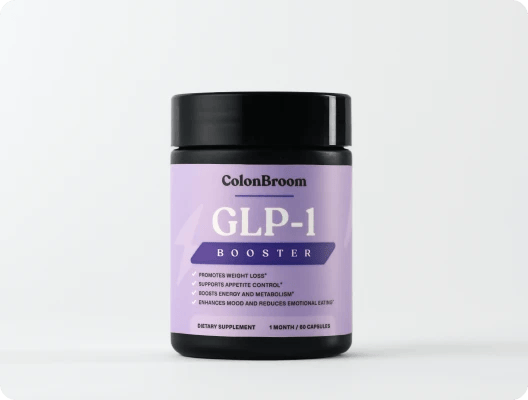
- Best for: Weight management + digestive health
- Form: Powder (mix with water)
- Key ingredient: Psyllium husk + botanical GLP-1 support blend
- Suggested use: 1-2x daily
ColonBroom Fiber
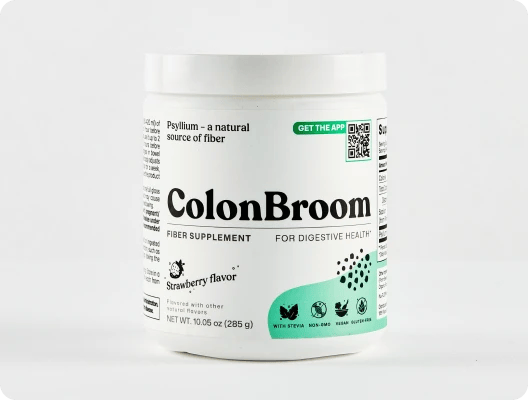
- Best for: Bloating & regularity
- Form: Powder (mix with water)
- Key ingredient: Organic psyllium husk
- Suggested use: 1-2x daily before meals
Who Should Consider These
These products make the most sense for a specific type of person: someone who wants to improve their digestive health and potentially support healthier appetite patterns, and who understands that "natural GLP-1 supplement" is a marketing category, not a medical one.
You're a good candidate if you deal with chronic bloating, irregular digestion, or difficulty feeling satisfied after meals. Fiber supplementation has a strong evidence base for all of these concerns, and the botanical additions in the GLP-1 version may provide additional appetite support. You're also a good fit if you're building a broader wellness routine and want a solid fiber foundation.
You're not a good candidate if you're looking for a replacement for prescription weight loss medication. If you have significant weight to lose and your doctor has discussed GLP-1 medications with you, a fiber supplement is not a substitute for that conversation. These products can complement a healthy lifestyle, but they don't deliver the same clinical outcomes as pharmaceutical interventions. Anyone telling you otherwise is not being honest with you.
Important distinction: Prescription GLP-1 medications use synthetic hormone analogs at pharmaceutical doses and are backed by large-scale clinical trials. Supplements in the "natural GLP-1" category use fiber and botanicals that may support the body's own appetite signaling through different, more modest mechanisms. Both can have a place in a health routine, but they are not interchangeable and should not be presented as such.
The Bottom Line
The "natural GLP-1 supplement" category is a mixed bag of real ingredients, real research, and genuinely misleading marketing. The ingredients in these products — particularly psyllium husk fiber — have legitimate benefits for digestive health and satiety. The botanical blends show preliminary promise for appetite support. None of it works the way prescription GLP-1 medications work, and any product implying otherwise is being dishonest.
If you strip away the GLP-1 branding and evaluate these products on their actual merits, ColonBroom GLP-1 is the strongest option in the category. It's built on the most evidence-backed ingredient (psyllium fiber), adds a reasonable botanical blend, and doesn't make claims that outrun its formulation. For people who want the digestive benefits without the weight management angle, ColonBroom Fiber delivers the core ingredient at a lower price.
The most important thing I can tell you: talk to your healthcare provider before starting any supplement, especially if you're considering these as part of a weight management strategy. A good doctor can help you understand where supplements fit into your specific situation — and where they don't. There's no shame in using evidence-based supplements. There's also no substitute for professional medical guidance when it comes to your health.
"I appreciate when patients come to me informed about what supplements can and can't do. The fiber in these products has real benefits — I recommend psyllium to many of my patients for digestive health. But I want women to understand the difference between supporting their body's natural processes and expecting a supplement to perform like a prescription medication. When my patients have realistic expectations, they tend to be much more satisfied with their results."
— Dr. Sarah W., OB/GYN
ColonBroom GLP-1
The strongest formulation in the natural GLP-1 category — built on psyllium husk fiber with botanical support for appetite and weight management.
See Current Deal


