GLP-1 Supplements vs. Prescription Medications: What You Actually Need to Know
Prescription GLP-1 medications cost $1,000+/month and require a doctor's visit. Supplements cost a fraction of that — but do they actually work?


Key Takeaways
- Prescription GLP-1 medications (like semaglutide) and GLP-1 support supplements work through fundamentally different mechanisms — supplements do not replicate the effects of prescription drugs
- GLP-1 supplements typically use fiber and botanical ingredients that may support healthy appetite signaling and digestive health — a gentler, more accessible approach
- Cost difference is dramatic: prescriptions run $1,000–1,500/month vs. supplements at $30–60/month
- Neither option is a magic bullet — both work best alongside dietary and lifestyle changes
What Are GLP-1 Medications?
GLP-1, or glucagon-like peptide-1, is a hormone your body naturally produces in the gut after eating. It plays a key role in regulating appetite, signaling fullness to the brain, and helping manage blood sugar levels. This is a normal, everyday process — your body has been doing it since the day you were born.
Prescription GLP-1 medications, including those based on semaglutide, work by mimicking this hormone at pharmacological doses — far higher than what your body produces naturally. They're administered as injections (typically weekly), require a doctor's prescription, and are FDA-approved for specific medical conditions including type 2 diabetes and, in some cases, chronic weight management under strict clinical criteria. The clinical results can be significant: studies have shown meaningful weight reduction in participants over 68-week trials.
But here's what the headlines often leave out. Prescription GLP-1 medications come with real tradeoffs. They require ongoing medical supervision, regular injection schedules, and carry potential side effects that range from persistent nausea and vomiting to more serious concerns like gastroparesis (delayed stomach emptying). They're also extraordinarily expensive — typically $1,000 to $1,500 per month or more without insurance coverage. And they're designed for people with specific medical conditions, not as a general wellness tool for anyone looking to lose a few pounds.
How Do GLP-1 Supplements Differ?
This is where the distinction gets critical, and where a lot of marketing gets misleading. GLP-1 supplements do not contain synthetic GLP-1. They do not work the same way as prescription medications. They are not a cheaper version of the same thing. Anyone suggesting otherwise is either confused or selling something.
What GLP-1 supplements actually contain are natural ingredients — primarily fiber (like psyllium husk) and botanical compounds — that may support the body's own GLP-1 production and appetite signaling pathways. The mechanism is fundamentally different: instead of flooding the system with a synthetic hormone at pharmacological doses, these supplements aim to gently support natural processes that already exist in your body. Research suggests that certain types of dietary fiber may stimulate GLP-1 secretion in the gut, which is a normal physiological response to fiber intake.
The result is a much gentler, less potent approach. No prescription required. No injections. Significantly fewer side effects (mild gas or bloating during an adjustment period is the most common complaint). And a price point that's a fraction of prescription costs. The tradeoff is straightforward: you're not going to see the dramatic, rapid results that prescription medications can deliver. What you may experience is modest support for appetite management and digestive health as part of an overall healthy lifestyle — which, for many women, is exactly what they're looking for.
Who Is Each Option Best For?
| Factor | Prescription GLP-1 | GLP-1 Supplements |
|---|---|---|
| How it works | Synthetic hormone injection | Fiber + botanicals supporting natural appetite signaling |
| Requires prescription | Yes | No |
| Typical monthly cost | $1,000–1,500+ | $30–60 |
| FDA approved for weight loss | Yes (specific drugs) | No (dietary supplements) |
| Common side effects | Nausea, gastroparesis risk | Minimal (gas/bloating during adjustment) |
| Best for | Significant medical weight management | General wellness + digestive health support |
| Supervision required | Ongoing medical monitoring | Self-directed |
Prescription GLP-1 medications are designed for people with clinically significant weight management needs — typically individuals with a BMI above a certain threshold, or those managing type 2 diabetes. These are serious medications that require a doctor's assessment, ongoing monitoring, and a conversation about whether the benefits outweigh the risks and side effects for your specific situation. If your healthcare provider has recommended exploring prescription GLP-1 options, that conversation should absolutely happen.
GLP-1 supplements occupy a completely different lane. They're for women who want a gentler, more accessible approach to appetite support and digestive health — women who don't meet the criteria for prescription medications, who prefer to avoid injections and their side effects, or who simply want to see if dietary fiber and botanical support can make a meaningful difference alongside the healthy habits they're already building. Neither option replaces good nutrition and regular movement. And regardless of which direction you're leaning, talking to your healthcare provider first is always the right call.
TeleHealthMed RX
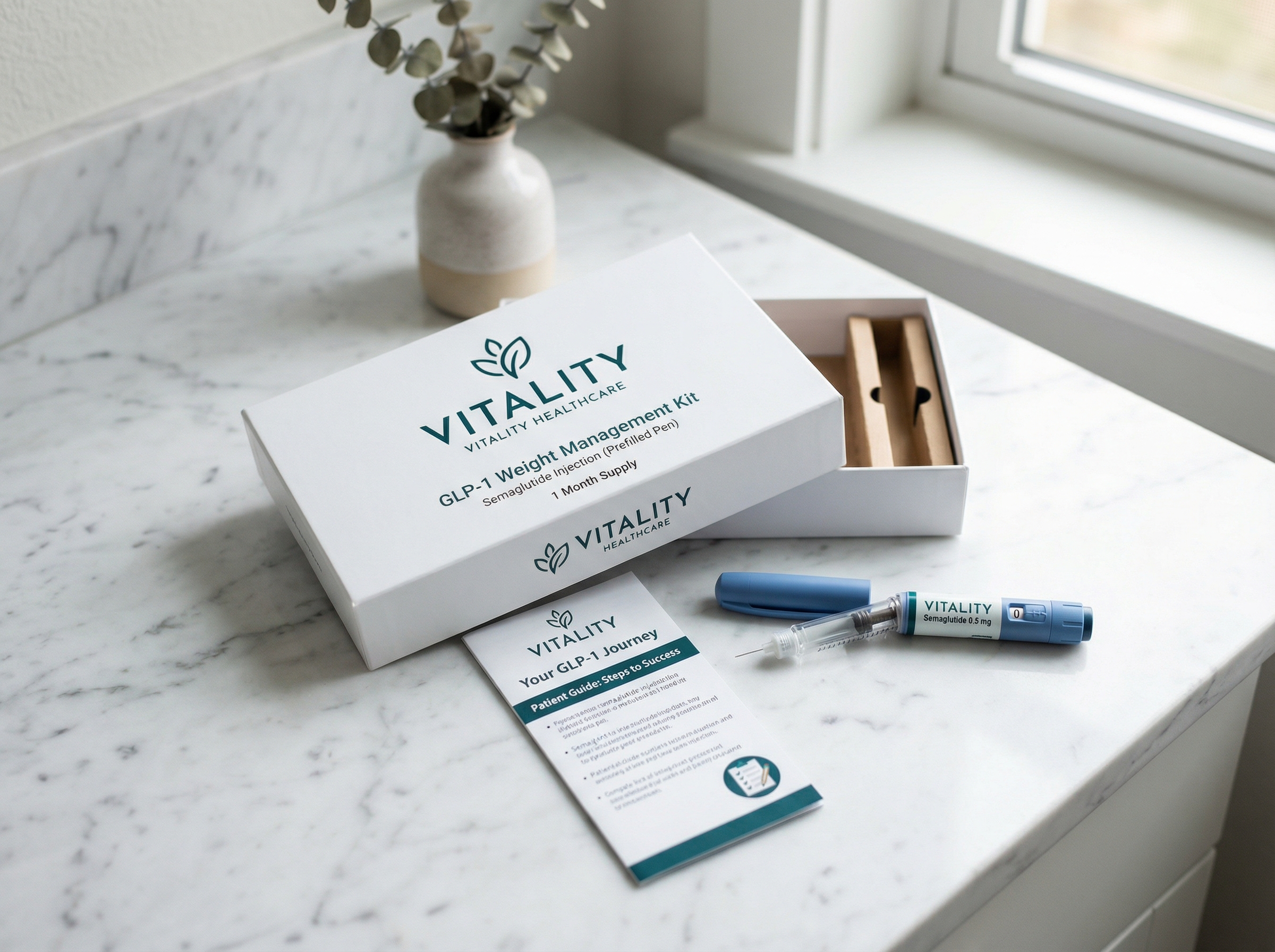
- Best for: Clinically meaningful weight loss
- Options: Semaglutide (from $147) or Tirzepatide (from $199)
- How it works: Telehealth consult → prescription → delivered to your door
- Avg. results: 16–22% body weight reduction
If prescription medication feels like too aggressive a first step, or if you'd prefer starting with a gentler supplement-based approach, a fiber-based digestive supplement can still support your goals in a meaningful way.
ColonBroom Fiber
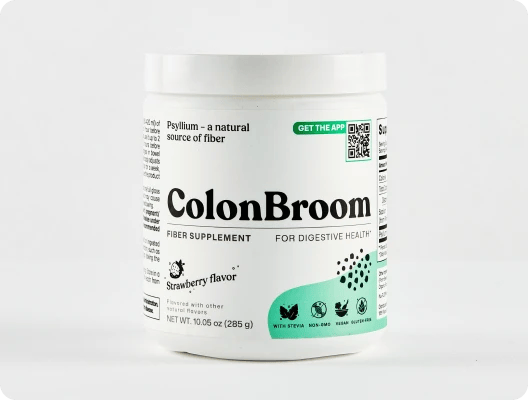
- Best for: Bloating & regularity
- Form: Powder (mix with water)
- Key ingredient: Organic psyllium husk
- Suggested use: 1-2x daily before meals
The Cost Comparison
The financial gap between traditional pharmacy and telehealth GLP-1 is staggering. Through a traditional doctor's office and pharmacy, GLP-1 medications typically run $1,000 to $1,500 per month or more. Insurance coverage is inconsistent — many plans cover these medications only for type 2 diabetes, not weight management. Over a year, you're looking at $12,000 to $18,000 out of pocket.
TeleHealthMed starts at $147/month for Semaglutide and $199/month for Tirzepatide — the same compounds, prescribed by a licensed physician, delivered to your door. That's roughly 85–90% less than the traditional pharmacy route. Over a year: $1,764 to $2,388 vs. $12,000+. Same medication class, fraction of the cost.
For those who prefer a supplement-based approach, ColonBroom Fiber runs approximately $30/month. It won't deliver the same results as prescription GLP-1 — nothing over the counter will — but it provides meaningful digestive support and may help with appetite management as part of a healthy lifestyle. Different tools for different goals and budgets.
The Bottom Line
The landscape has changed. GLP-1 medications that once required expensive specialist visits and $1,500/month pharmacy bills are now accessible through telehealth at a fraction of the cost. The medications are the same. The physician oversight is the same. What's different is the delivery model — and the price.
For women who are serious about clinically meaningful weight loss and want physician-guided treatment, TeleHealthMed RX removes the biggest barriers: cost, access, and logistics. For women who prefer a gentler, supplement-based approach — or who want to start with something less aggressive before considering prescription options — a quality fiber supplement like ColonBroom is a reasonable first step. Neither replaces eating well and staying active. Both work better when combined with healthy habits.
Always consult your healthcare provider before starting any new supplement, especially if you're considering prescription GLP-1 options or have underlying health conditions like diabetes, cardiovascular disease, or a history of eating disorders. This article is for informational purposes — it's not medical advice, and it's not a substitute for a conversation with someone who knows your health history.
"Weight management is deeply personal, and there's no single right answer for everyone. What I tell my patients is this: start with a conversation. Tell me your goals, your budget, your concerns. We can work through the options together — from lifestyle changes to supplements to prescription medications — and find the approach that makes sense for your body and your life. The worst thing you can do is make these decisions based on social media alone."
— Dr. Sarah W., OB/GYN
TeleHealthMed RX
Physician-prescribed GLP-1 medication delivered to your door — starting at $147/month. No insurance required.
Check Eligibility


