Gut Health
Best Probiotics for Women in 2026: A Dietitian's Guide to What Actually Works
Most probiotics don't survive your stomach acid. These five actually reach your gut — and the research backs them up.
Published Mar 10, 2026, 9:00am · Updated March 24, 2026

Written By
Rachel M., Registered Dietitian

Key Takeaways
- Most probiotic supplements are destroyed by stomach acid before reaching the intestines — delivery technology matters as much as strain selection
- Women's probiotic needs differ from men's, particularly for vaginal health, hormonal balance, and the gut-skin connection
- Multi-strain formulas with both Lactobacillus and Bifidobacterium strains show the strongest clinical evidence for women's gut health
- Pairing probiotics with prebiotic fiber dramatically improves colonization rates and long-term gut diversity
If you've ever picked up a probiotic at the pharmacy, swallowed it faithfully for a month, and felt absolutely nothing — you're not alone. The uncomfortable truth about most probiotics is that they're essentially dead on arrival. Stomach acid destroys the vast majority of bacterial strains before they ever reach your intestines, which is the only place they can actually do their job.
This matters more for women than most people realize. The gut microbiome plays a direct role in vaginal health, hormonal metabolism, immune function, and even skin clarity. Research published in recent years has made the connection between gut dysbiosis and conditions ranging from recurring UTIs to hormonal acne increasingly difficult to ignore. Your gut isn't just digesting food — it's running interference on nearly every system in your body.
So what should you actually look for? Three things: strains that are clinically studied in women, delivery technology that protects those strains through your stomach acid, and — this is the part most people miss — prebiotic support to feed the bacteria once they arrive. A probiotic without a food source is like planting seeds in concrete. After reviewing the current research and testing dozens of products with my clients, these are the five gut health supplements I keep coming back to.
Editor's Pick
Bioma Probiotics
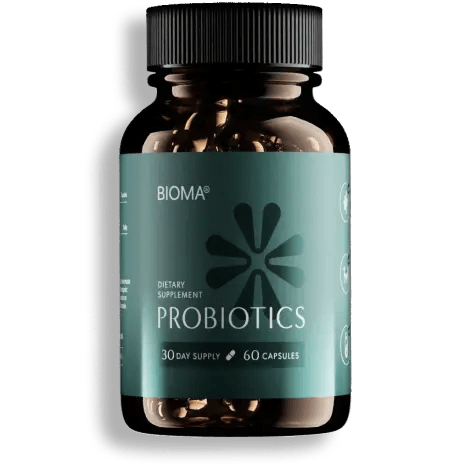
- Best for: Complete gut health
- Form: Capsule
- Key feature: Targeted-release technology
- Suggested use: 1 capsule daily
Why we picked this: The single biggest problem in the probiotic industry is survivability. Most capsules dissolve in your stomach, exposing billions of bacteria to hydrochloric acid — and killing them. Bioma uses a targeted-release delivery system that bypasses the stomach entirely, delivering its multi-strain formula directly to the intestines where colonization actually happens.
The formula itself is built around both Lactobacillus and Bifidobacterium strains — the two genus groups with the strongest clinical evidence for women's health. Lactobacillus strains are particularly important for vaginal flora balance, while Bifidobacterium supports immune modulation and the gut-brain axis. Research suggests that women with higher Bifidobacterium diversity report better mood stability and fewer digestive complaints.
What sets Bioma apart from the dozens of probiotics I've reviewed is the combination of delivery technology and strain selection. Many products have one or the other. Getting both in a single daily capsule makes this the most complete probiotic option I've found for women who want to address gut health comprehensively — digestive comfort, immune support, and the downstream effects on skin and mood.
Best Prebiotic Pairing
ColonBroom Fiber
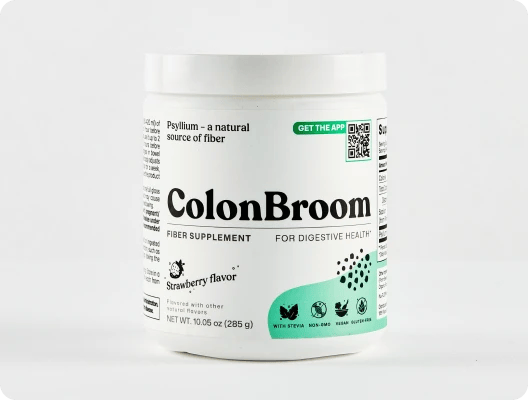
- Best for: Feeding beneficial gut bacteria
- Form: Powder (mix with water)
- Key ingredient: Organic psyllium husk
- Suggested use: 1-2x daily before meals
Why we picked this: Taking a probiotic without feeding it is like hiring employees and not giving them anything to work with. Prebiotic fiber is the fuel that beneficial gut bacteria need to thrive, multiply, and crowd out harmful strains. Without it, even the best probiotic may struggle to establish lasting colonization.
Psyllium husk is the most well-studied soluble fiber available, and ColonBroom uses an organic formulation that dissolves cleanly and tastes significantly better than generic pharmacy options. When paired with a probiotic like Bioma, you create what researchers call a synbiotic effect — the prebiotic fiber feeds the probiotic strains, dramatically improving their ability to colonize and persist in the gut over time.
Beyond the synbiotic benefit, ColonBroom addresses two of the most common complaints women bring to their doctors: bloating and irregularity. The soluble fiber absorbs water and adds bulk, which helps move things along without the cramping or urgency that stimulant-based products cause. Several of my clients report noticeable improvement in bloating within the first two weeks of consistent use.
A note on timing: If you're building a gut health stack, spacing matters. Take your probiotic (Bioma) first thing in the morning on an empty stomach for maximum absorption. Fiber supplements (ColonBroom) work best 30 minutes before a meal. Collagen mixes easily into your morning coffee. CoQ10 should be taken with food — the fat content improves absorption of the ubiquinol.
Best for Gut-Weight Connection
ColonBroom GLP-1
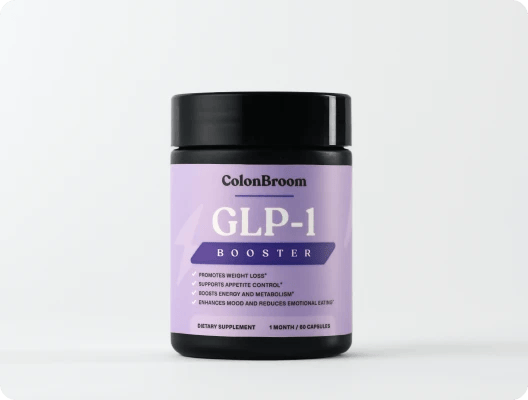
- Best for: Weight management + digestive health
- Form: Powder (mix with water)
- Key ingredient: Psyllium husk + GLP-1 support blend
- Suggested use: 1-2x daily
Why we picked this: The relationship between gut health and weight regulation is one of the most active areas of nutritional research right now. Studies increasingly suggest that the composition of your gut microbiome may influence how your body processes food, stores fat, and signals hunger and satiety. For women navigating hormonal shifts — particularly during perimenopause and menopause — these metabolic changes can feel sudden and frustrating.
ColonBroom's GLP-1 formula combines the same prebiotic psyllium husk fiber base with a botanical blend that may support healthy appetite signaling. The fiber component provides the digestive benefits, while the added ingredients target the gut-weight connection from a different angle. It's not a replacement for nutrition and movement, but for women who feel like their metabolism has fundamentally shifted, addressing gut health can be a foundational step.
This is a good option if weight management is your primary concern alongside gut health. If digestive comfort is your main focus and weight isn't a factor, the standard ColonBroom Fiber above is the better fit — you don't need both.
* These statements have not been evaluated by the FDA. This product is not intended to diagnose, treat, cure, or prevent any disease. Consult your healthcare provider before starting any supplement.
Best for Gut-Skin Axis
NativePath Collagen Peptides

- Best for: Skin health via gut support
- Form: Powder (unflavored)
- Type: Hydrolyzed bovine collagen (Type I & III)
- Suggested use: 1-2 scoops daily
Why we picked this: The gut-skin axis is one of the most fascinating emerging areas of dermatological research. The concept is straightforward: when your gut lining is compromised — through inflammation, poor diet, stress, or dysbiosis — the resulting immune activation shows up on your skin. Acne, rosacea, eczema flares, and premature aging have all been linked to gut barrier dysfunction in recent studies.
Collagen peptides address this from the inside out. Hydrolyzed collagen provides the amino acids (particularly glycine and proline) that support gut lining integrity, helping to maintain the tight junctions that keep inflammatory compounds from leaking into the bloodstream. At the same time, these same amino acids support skin elasticity and hydration — which is why dermatologists are increasingly asking their patients about gut health before prescribing topical treatments.
NativePath uses grass-fed, pasture-raised bovine collagen (Type I and III — the most relevant types for both skin and gut lining) with a genuinely clean ingredient list. No artificial sweeteners, fillers, or additives. It dissolves completely in coffee or water, and the unflavored version is truly tasteless. For women dealing with both gut issues and skin changes, this addresses the root connection rather than treating symptoms separately.
The gut-skin axis research is still relatively young, but the clinical evidence is building rapidly. A growing number of dermatologists now consider gut health as part of a comprehensive skin care protocol, particularly for women experiencing inflammatory skin conditions alongside digestive symptoms. The logic is sound: if your gut barrier is compromised, systemic inflammation increases — and your skin is often the first place it becomes visible. Addressing gut health and skin health simultaneously, rather than treating them as separate concerns, may produce better outcomes for both.
Best for Energy & Recovery
NativePath CoQ10 Complex

- Best for: Cellular energy & gut recovery
- Form: Softgel capsule
- Key ingredient: Ubiquinol (active CoQ10)
- Suggested use: 1 softgel daily with food
Why we picked this: CoQ10 is essential for cellular energy production throughout your body — including the cells lining your gut. The intestinal epithelium turns over rapidly (every 3-5 days), and that constant regeneration requires significant cellular energy. When CoQ10 levels decline with age, gut lining recovery slows, which may contribute to increased permeability and inflammation over time.
The critical detail with NativePath's formula: it uses ubiquinol, the active, bioavailable form of CoQ10. Most budget supplements use ubiquinone, which requires a conversion step that becomes less efficient as you age. You could be taking CoQ10 daily and absorbing a fraction of what you're paying for simply because of the form. Ubiquinol bypasses that conversion entirely.
For women taking statin medications, CoQ10 supplementation is particularly worth discussing with a healthcare provider — statins are known to deplete CoQ10 levels, which may contribute to the muscle fatigue and low energy that some women experience on these medications. Beyond the gut connection, the energy benefit is noticeable: less afternoon fatigue, better recovery from physical activity, and more consistent daily energy levels.
Quick Comparison
| Supplement | Best For | Form | Daily Use |
|---|
| Bioma Probiotics | Complete gut health | Capsule | 1x daily |
| ColonBroom Fiber | Prebiotic support | Powder | 1-2x daily |
| ColonBroom GLP-1 | Gut + weight | Powder | 1-2x daily |
| NativePath Collagen | Gut-skin axis | Powder | 1-2 scoops |
| NativePath CoQ10 | Energy & recovery | Softgel | 1x daily |
How We Evaluated These Supplements
We evaluated each probiotic and gut health supplement based on four criteria: clinical evidence supporting the specific strains and ingredients for women's health, delivery technology and bioavailability, ingredient transparency and third-party testing, and aggregated customer reviews across multiple platforms. We excluded products with proprietary blends that don't disclose strain counts, products using only single strains, and products without adequate survivability data.
The Bottom Line
You don't need to take all five of these supplements. The right combination depends on your primary concern. If bloating and digestive discomfort are driving you here, focus on the probiotic and prebiotic. If skin changes are the main issue, add collagen. If energy has fallen off a cliff, CoQ10 may be the missing piece. The goal is targeted support, not a medicine cabinet overhaul.
If you're starting fresh and want the strongest foundation, I'd begin with Bioma (the probiotic) plus ColonBroom Fiber (the prebiotic). This combination creates a synbiotic effect — the fiber feeds the probiotic strains, improving colonization and creating an environment where beneficial bacteria can actually thrive long-term. It's the single most impactful pairing for gut health. From there, add NativePath Collagen if skin is a concern, or NativePath CoQ10 if energy and cellular recovery are priorities.
The one thing every supplement on this list has in common: consistency is what makes them work. Give any new supplement at least 60 days of daily use before evaluating results. Your gut microbiome didn't get where it is overnight, and it won't rebalance overnight either. But the research is clear — for women who commit to a thoughtful gut health protocol, the downstream benefits touch nearly every aspect of how you feel.
"Gut health is foundational. When I see patients with chronic fatigue, recurring infections, skin issues, or mood instability, the gut is one of the first things I investigate. You'd be surprised how many seemingly unrelated symptoms trace back to microbiome imbalance. Fix the gut, and the rest often follows."
— Dr. Sarah W., OB/GYN
Our #1 Pick
Bioma Probiotics
The top-scoring probiotic in our evaluation — targeted-release technology delivers clinically studied strains where they actually work.
See Current Deal
On Bioma's Website · Affiliate link

Rachel M., Registered Dietitian
Staff Writer
Rachel is a registered dietitian with a background in clinical nutrition and over eight years of experience reviewing supplements and health products. Her work focuses on women's wellness and evidence-based nutrition, with a particular interest in metabolic health after 40.

Dr. Sarah W., OB/GYN
Medical Reviewer
Dr. Sarah is a board-certified OB/GYN with over 15 years of clinical experience in women's health. She specializes in perimenopause and menopause management and reviews our health content to ensure it meets clinical standards.


