The Best Fiber Supplements of 2026, According to Dietitians
Fewer than 5% of Americans get enough daily fiber. These supplements close the gap — without the chalky taste.


Key Takeaways
- The average American gets only 15g of fiber daily — less than half the recommended 25-30g, making supplementation one of the simplest health interventions available
- Soluble fiber (like psyllium husk) is the most well-studied form for digestive comfort, cholesterol support, and blood sugar management
- Fiber supplements work best when paired with adequate water intake — dehydration is the most common reason people experience discomfort when starting fiber
- For women, fiber plays a dual role in digestive health and hormonal balance by helping the body process and eliminate excess estrogen
Here's a number that should bother you: the average American consumes roughly 15 grams of fiber per day. The recommended daily intake is 25 to 30 grams. That means most of us are getting less than half of what our bodies actually need — and the consequences show up as bloating, irregularity, sluggish digestion, and that persistent feeling that something is just... off.
Fiber isn't glamorous. It doesn't have the marketing budget of collagen or the buzz of probiotics. But the clinical evidence behind it is overwhelming. Adequate fiber intake is associated with improved digestive regularity, healthier cholesterol levels, more stable blood sugar, and better weight management outcomes. For women specifically, fiber plays an additional role that rarely gets discussed: it helps the body metabolize and eliminate excess estrogen, which may support hormonal balance — particularly relevant during perimenopause and beyond.
The problem is that even with a solid diet rich in vegetables, legumes, and whole grains, most people still fall short. A single serving of broccoli delivers about 5 grams. You'd need to eat an impractical volume of food every day to consistently hit 25-30 grams. That's where supplementation becomes practical — not as a replacement for whole foods, but as a bridge to close the gap. Psyllium husk, in particular, is the most extensively studied supplemental fiber, with decades of clinical research supporting its use for digestive health, cholesterol management, and glycemic control.
ColonBroom Fiber
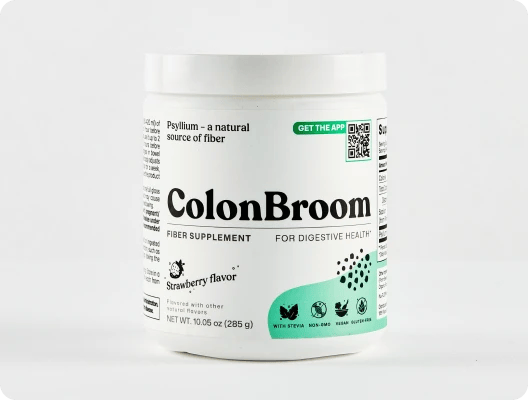
- Best for: Bloating & regularity
- Form: Powder (mix with water)
- Key ingredient: Organic psyllium husk
- Suggested use: 1-2x daily before meals
Start slow: If you're new to fiber supplementation, begin with one serving per day for the first week. Increase gradually. And always drink at least 8oz of water with each serving — dehydration is the #1 reason people have a bad experience with fiber supplements.
ColonBroom GLP-1
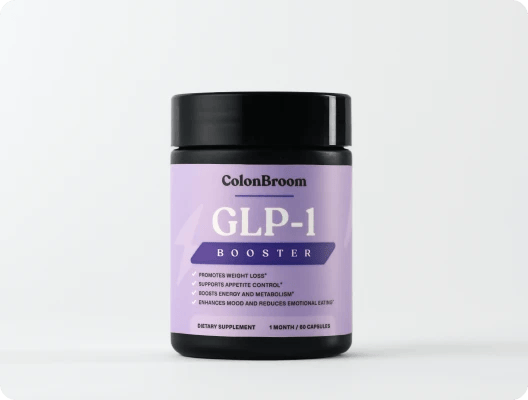
- Best for: Appetite support + digestive health
- Form: Powder (mix with water)
- Key ingredient: Psyllium husk + GLP-1 support blend
- Suggested use: 1-2x daily
Bioma Probiotics
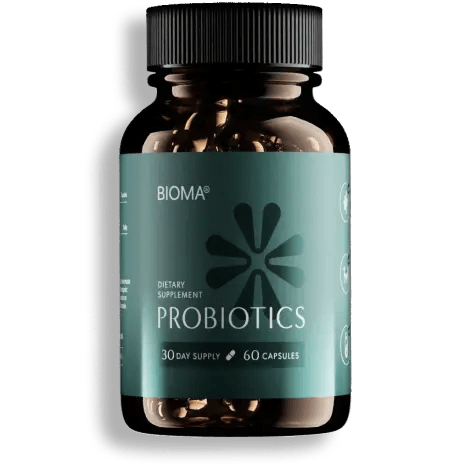
- Best for: Pairing with fiber for complete gut health
- Form: Capsule
- Key feature: Targeted-release technology
- Suggested use: 1 capsule daily
There's a reason nutritionists increasingly recommend taking fiber and probiotics together rather than choosing one or the other. The combination creates what researchers call a "synbiotic" effect: the prebiotic fiber acts as fuel for the probiotic bacteria, helping them colonize and thrive in your gut. Studies suggest this pairing may produce more meaningful improvements in digestive health than either supplement alone — a case where 1 + 1 genuinely equals more than 2.
NativePath Collagen Peptides

- Best for: Gut lining integrity + skin
- Form: Powder (unflavored)
- Type: Hydrolyzed bovine collagen (Type I & III)
- Suggested use: 1-2 scoops daily
NativePath CoQ10 Complex

- Best for: Cellular energy & recovery
- Form: Softgel capsule
- Key ingredient: Ubiquinol (active CoQ10)
- Suggested use: 1 softgel daily with food
Quick Comparison
| Product | Best For | Form | Daily Use |
|---|---|---|---|
| ColonBroom Fiber | Bloating & regularity | Powder | 1-2x daily |
| ColonBroom GLP-1 | Weight management | Powder | 1-2x daily |
| Bioma Probiotics | Probiotic pairing | Capsule | 1x daily |
| NativePath Collagen | Gut lining support | Powder | 1-2 scoops |
| NativePath CoQ10 | Wellness stack | Softgel | 1x daily |
How We Evaluated
We evaluated each fiber and digestive supplement based on four criteria: published clinical evidence supporting the primary ingredients, formulation quality and ease of use, ingredient transparency and sourcing standards, and aggregated customer reviews across multiple platforms. We excluded products with artificial sweeteners, proprietary blends that don't disclose ingredient amounts, and products making unsupported health claims.
The Bottom Line
Start with the fiber itself — that's the foundation. If you're only going to add one supplement to your routine, a quality psyllium husk fiber like ColonBroom is the simplest, most evidence-backed choice you can make. It addresses the single biggest nutritional gap most Americans have, and most people notice improved regularity and reduced bloating within the first two weeks of consistent use.
From there, layer based on your goals. Add Bioma if you want the synbiotic boost — the combination of fiber and probiotics together is meaningfully more effective than either alone. Add collagen if gut lining integrity or skin health is a concern. Add CoQ10 if cellular energy is lagging or you're on a statin. You don't need all five. You need the ones that match your specific situation.
The fiber gap is the easiest nutritional problem to fix. One supplement, twice a day, with water. Most people notice a difference within two weeks. The hard part isn't finding the right product — it's actually starting.
"Fiber is the most underrated supplement in existence. It's not exciting. It's not trendy. But the data behind it is stronger than almost anything else on the shelf. If every American simply hit their daily fiber target, we'd see meaningful improvements in digestive health, cardiovascular markers, and metabolic outcomes across the board."
— Dr. Sarah W., OB/GYN
ColonBroom Fiber
Psyllium husk is the gold standard of supplemental fiber — and ColonBroom is the best-tasting, most effective formulation we tested. Start here.
See Current Deal


