CoQ10 Benefits for Women Over 50: The Supplement Most Women Haven't Heard Of
It powers every cell in your body. After 50, your levels are declining. Here's what you need to know about CoQ10.


Key Takeaways
- CoQ10 is essential for cellular energy — levels decline naturally after 50, contributing to fatigue, slower skin repair, and heart health concerns
- Ubiquinol (the active form) is significantly more bioavailable than ubiquinone — this distinction matters more with age as your body's conversion efficiency decreases
- Women on statins should discuss CoQ10 supplementation with their doctor, as statins are known to deplete the body's natural CoQ10 stores
- Benefits extend beyond energy: heart health support, improved skin repair, and potential relief from persistent fatigue associated with perimenopause and menopause
What Is CoQ10?
Coenzyme Q10 — CoQ10 for short — is a naturally occurring compound that your body produces on its own. Its primary job is fueling the mitochondria, the energy-generating structures inside every cell. Think of it as the spark plug for cellular energy production. Without adequate CoQ10, your cells simply can't produce energy efficiently.
CoQ10 is found in every cell in your body, but it's concentrated in the organs that demand the most energy: your heart, liver, and kidneys. The heart is a muscle that beats roughly 100,000 times per day without rest — it's the single largest consumer of CoQ10 in your body. This is why CoQ10 has been studied extensively in the context of cardiovascular health, and why cardiologists have been quietly recommending it for decades.
Here's the part most women don't know: your body's natural CoQ10 production peaks around age 20 and declines steadily from there. By the time you reach 50, your CoQ10 levels may be significantly lower than they were in your 30s. The decline is gradual enough that most women don't connect the dots between their dropping CoQ10 and the symptoms they're experiencing — persistent fatigue, slower recovery from physical activity, changes in skin elasticity, and cardiovascular concerns that seem to appear out of nowhere.
Why Women Over 50 Need It
The symptoms of declining CoQ10 are easy to dismiss. Fatigue gets blamed on aging. Skin changes get blamed on menopause. Heart health concerns get blamed on genetics. But in many cases, these symptoms are at least partially driven by a cellular energy deficit that CoQ10 supplementation may help address.
Persistent fatigue. This is the complaint I hear most from women over 50 — a bone-deep tiredness that sleep doesn't fix. When mitochondria lack sufficient CoQ10, energy production at the cellular level slows down. This isn't the kind of fatigue that coffee resolves. It's systemic, and it affects everything from your motivation to exercise to your ability to focus in the afternoon.
Skin repair and elasticity. Your skin cells are among the fastest-dividing cells in your body, and cell division requires energy. As CoQ10 levels decline, the skin's ability to repair damage from UV exposure, environmental stressors, and normal wear slows down. Some dermatologists now consider CoQ10 status as part of an inside-out approach to skin health, particularly for women noticing accelerated aging changes after menopause.
Heart health. The heart's CoQ10 demand is enormous, and declining levels may contribute to reduced cardiac efficiency over time. While CoQ10 is not a treatment for heart disease, the research supporting its role in cardiovascular function is among the most robust in the supplement world. Multiple clinical studies have examined CoQ10's potential to support healthy blood pressure already within the normal range and overall cardiac function.
Statin interactions. This is critical. If you're taking a statin medication for cholesterol management, you should know that statins block the same biochemical pathway your body uses to produce CoQ10. This is well-documented in the medical literature. Many women on statins experience muscle fatigue, weakness, and low energy — symptoms that may be partially attributable to statin-induced CoQ10 depletion. If you're on a statin, a conversation with your healthcare provider about CoQ10 supplementation is worth having.
Ubiquinol vs. Ubiquinone: Why the Form Matters
The short version: CoQ10 comes in two forms. Ubiquinone is the oxidized, cheaper form — your body has to convert it before it can use it. Ubiquinol is the active, reduced form that your body can use immediately without any conversion step. Here's the problem: your body's ability to convert ubiquinone into ubiquinol decreases with age. So the older you get, the more important it is to supplement with ubiquinol directly. If a CoQ10 supplement doesn't specify "ubiquinol" on the label, it's almost certainly ubiquinone — and you may be absorbing a fraction of what you're paying for.
This distinction is not marketing. It's biochemistry. Studies comparing the two forms consistently show that ubiquinol achieves higher blood levels at the same dose. For women over 50, whose conversion efficiency is already reduced, the difference between the two forms can be significant. Always check the label. If it just says "CoQ10" without specifying ubiquinol, assume it's ubiquinone and look elsewhere.
NativePath CoQ10

- Best for: Cellular energy & heart health
- Form: Softgel
- Key ingredient: Ubiquinol (active CoQ10)
- Suggested use: 1 softgel daily with food
NativePath Collagen Peptides

- Best for: Skin repair & joint comfort
- Form: Powder (unflavored)
- Type: Hydrolyzed bovine collagen (Type I & III)
- Suggested use: 1-2 scoops daily
A note on timing: CoQ10 is fat-soluble, so take your softgel with a meal that includes some dietary fat — breakfast with eggs or avocado is ideal. Collagen can be mixed into your morning coffee or any beverage. If you're adding a probiotic to the stack, take that first thing on an empty stomach for maximum absorption, at least 30 minutes before food.
Bioma Probiotics
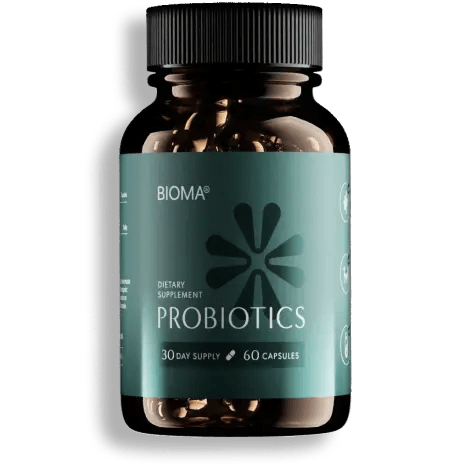
- Best for: Gut health & nutrient absorption
- Form: Capsule
- Key feature: Targeted-release technology
- Suggested use: 1 capsule daily
Quick Comparison
| Supplement | Best For | Form | Daily Use |
|---|---|---|---|
| NativePath CoQ10 | Cellular energy & heart health | Softgel | 1x daily with food |
| NativePath Collagen | Skin repair & joint comfort | Powder | 1-2 scoops |
| Bioma Probiotics | Gut health & absorption | Capsule | 1x daily |
How We Evaluated These Supplements
We evaluated each supplement based on four criteria: clinical evidence supporting the specific ingredients and their forms for women's health after 50, bioavailability and delivery technology, ingredient transparency and third-party testing, and aggregated customer reviews across multiple platforms. For CoQ10 specifically, we prioritized products using ubiquinol over ubiquinone due to the significant bioavailability advantage for older adults. We excluded products with proprietary blends that don't disclose dosages, products using inferior ingredient forms, and products without adequate absorption data.
The Bottom Line
CoQ10 is the supplement most women over 50 haven't heard of — and it may be the most impactful one they're not taking. If persistent fatigue, declining energy, or heart health concerns are on your radar, CoQ10 in the ubiquinol form is a strong starting point. The research supporting its role in cellular energy production and cardiovascular function is substantial, and the age-related decline in natural production makes supplementation increasingly relevant after 50.
If skin changes and joint stiffness are also part of the picture, adding NativePath Collagen gives your body the structural building materials it needs alongside the cellular energy from CoQ10. And if you want to ensure you're actually absorbing everything you're taking, Bioma Probiotics addresses the gut health foundation that makes the rest of the stack more effective.
You don't need all three on day one. Start with CoQ10 — it's the foundational piece for women over 50. Give it 3-4 weeks. If you notice the energy improvement, consider adding collagen for skin and joints. If absorption and digestive health are concerns, add the probiotic. Build the stack gradually and let each addition prove its value before layering on the next.
"CoQ10 is one of those supplements I wish more of my patients knew about. By the time women come to me with fatigue, heart palpitations, or muscle complaints — especially those on statins — their CoQ10 levels have often been declining for years. It's not a cure-all, but for cellular energy support after 50, the evidence is compelling. I recommend the ubiquinol form specifically."
— Dr. Sarah W., OB/GYN
NativePath CoQ10
Ubiquinol-based CoQ10 for women who want the active form their body can use immediately — no conversion step required.
See Current Deal


